Audio File Transcription: How to Get an Accurate Transcript Every Time.
25 October, 2026


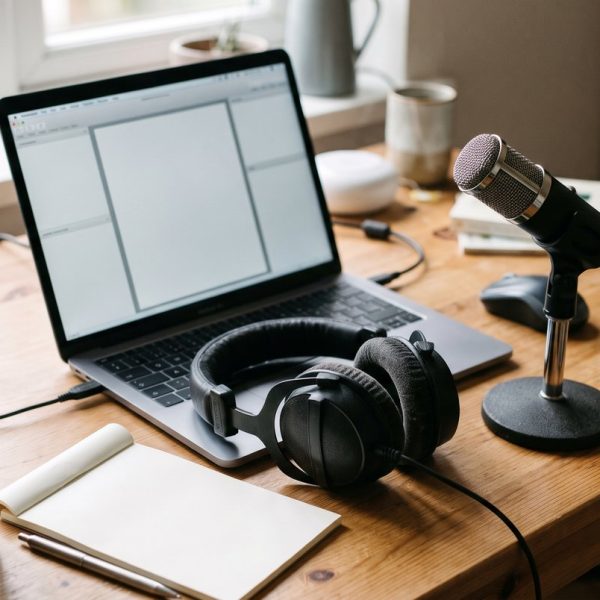
Audio file transcription sounds simple until you receive a transcript full of guesses, missing speakers and sentences that never happened. Whether you are turning a research interview into quotable text, a board meeting into minutes or a podcast into an article, the quality of the transcript depends on decisions made long before anyone starts typing. This guide covers how to prepare recordings, when software is enough, when a human editor is worth paying for, and how to check the result before you rely on it.
Start With the Recording, Not the Tool
Most transcription problems begin at the microphone. A phone placed in the middle of a table picks up cutlery, air conditioning and people talking over each other, and no tool can fully undo that. Where possible, record each speaker close to a microphone, in a quiet room, and ask people to finish their sentences before the next person starts. Save the file in a lossless or high bitrate format such as WAV, and keep the original untouched so you can return to it when a passage is unclear.
Spend two minutes at the start of the recording naming the people present and the topic. That small habit saves hours later, because the transcriber then knows who is who and which technical terms to expect.
Software, Humans, or Both
Automatic tools have improved enormously, and for clean single speaker audio they are often good enough for a first draft. Audio transcription software is fast and cheap, and it works well for personal notes or searchable archives. Where it struggles is predictable: accents, overlapping speech, background noise, specialist vocabulary and anything recorded on a weak connection. For research, legal or medical material, a human pass is not optional, because one wrong word can change the meaning of a statement.
A sensible compromise is to let software produce the draft and have a trained editor correct it against the audio. If you are weighing interview transcription software against a professional service, ask how each handles speaker labels, timestamps, confidentiality and corrections after delivery. Those four points matter more than the headline price per minute.
Choosing the Right Style of Transcript
Not every project needs every um and false start. Verbatim transcripts keep everything, including hesitations, and suit linguistic research or legal records. Clean verbatim removes fillers and repetitions so the text reads smoothly, which is what most businesses and journalists actually want. Some projects need timestamps every thirty seconds, others only at speaker changes. Decide this before the work begins and put it in writing, because changing style halfway through is where budgets and deadlines slip.
If the recording is in more than one language, say so up front and agree how the foreign passages should appear, whether left as spoken, translated in brackets or handled in a separate document.
Handling Interviews and Multilingual Audio
Interviews are the most common reason people search for transcription help, and they carry their own traps. Names, places and technical terms need a quick glossary, and sensitive material needs a clear confidentiality agreement. PoliLingua explains the practical side well in their piece on transcribing interviews, including how to brief a transcriber so the first version is close to final.
Multilingual recordings add another layer, because the transcript often has to be translated as well. A useful case study is this guide to audio transcription and translation, which shows how the two steps depend on each other. For background on how the profession is defined, the Wikipedia article on transcription as a service is a clear reference, and working transcribers share candid advice about tools and rates in the r/transcription community on Reddit.
How to Check a Transcript Before You Use It
Never publish or file a transcript without a spot check. Pick three random passages of about a minute each, play the audio and read along. Count the errors. If you find more than a couple per minute, send it back. Pay special attention to numbers, dates, names and negatives, since a missing word like not reverses a meaning. Check that speaker labels stay consistent and that timestamps land where the audio actually changes.
Finally, store the transcript and the original audio together, with a note of who edited what and when. Good records protect you if a quotation is ever challenged, and they make it much easier to update the document later.
A Practical Workflow You Can Reuse
Put it all together and the process is short. Record cleanly, name the speakers, choose the transcript style, run software or send the file to a professional, review a sample, and archive the results. Teams that follow this routine find that audio file transcription stops being a stressful scramble and becomes a predictable step in their content or research pipeline. The time you invest in the first few minutes of preparation returns itself many times over when the transcript lands on your desk and simply works.
Recent Posts
Voice Over Services For Audio ...
Traduzione Audio Per Video Azi...
Traduzione Italiano Arabo Per ...

Traducción Para Empresas Con ...
Traducción Jurada Para Trámi...

Gedolmetschte Interviews richt...
Share it.

We use cookies
We use cookies to give you the best online experience, remember your preferences, and understand how the site is used. You can accept all cookies, reject optional ones, or choose which categories to allow.
Privacy PolicyCookie preferences
Choose which cookies we can use. Necessary cookies stay on because the site cannot work without them.
For more details, read our Privacy Policy.